
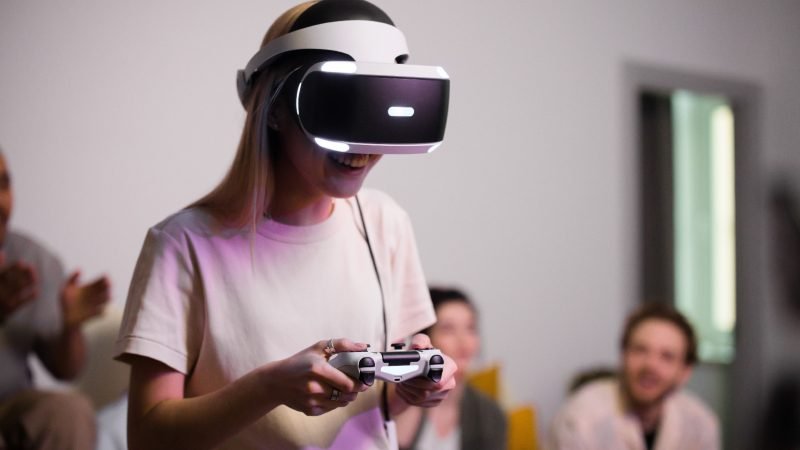
Wearable devices are now an essential part of everyday life, helping people stay connected, track their activities, organize schedules, and access digital services conveniently. From smartwatches and fitness trackers to smart glasses and connected health devices, wearable products offer convenient ways to access information without constantly reaching for a smartphone.
As technology continues to develop, wearable devices are becoming more advanced, practical, and accessible. They combine sensors, software, wireless connectivity, and compact hardware to provide information that users can access throughout the day.
The topic wearables feedworldtech offers an opportunity to explore wearable technology, its features, everyday applications, advantages, limitations, and future developments. Understanding these devices can help consumers make informed decisions and choose products that suit their lifestyles.
What Is Wearable Technology?
Wearable technology includes electronic gadgets that people wear on their bodies to access digital features and services. These products often include sensors, processors, wireless communication systems, and specialized software that collect information or provide digital services.
Unlike traditional computers, wearable devices are designed for portability and continuous or frequent use. Many connect to smartphones or other digital platforms to display information, synchronize data, and provide notifications.
Common examples of wearable technology include:
-
Smartwatches that display notifications and track daily activities.
-
Fitness trackers that measure movement, steps, and exercise.
-
Smart rings that collect selected activity and sleep data.
- Smart glasses that display useful information and enable convenient hands-free operation.
-
Health monitoring devices that measure specific physiological signals.
- Wireless wearable devices designed for easy communication and enjoyable entertainment.
Available features vary based on the device’s design, sensors, software, and manufacturer.
Understanding Wearables FeedWorldTech
Wearables feedworldtech focuses on wearable devices, smart technology, digital advancements, and evolving trends in consumer electronics. It can be used to explore how wearable products work and how they fit into everyday digital experiences.
Wearable technology is now widely available to everyday users, offering convenient ways to monitor activities, receive alerts, and access helpful information.
When exploring this topic, readers should consider more than the appearance of a device. Battery life, comfort, compatibility, privacy, durability, and the accuracy of measurements can all influence its usefulness.
The most suitable wearable is not necessarily the one with the largest number of features. It is a device that meets a person’s needs while offering comfort and ease of use.
Popular Types of Wearable Devices
Wearable technology includes several categories, each designed to serve different purposes. Understanding these categories makes it easier to compare products and identify suitable options.
1. Smartwatches
Smartwatches are popular wearable gadgets that combine traditional timekeeping with useful digital features, including notifications, fitness tracking, alarms, calendar alerts, and apps.
Depending on the model, a smartwatch may support calls, music controls, navigation, contactless payments, and exercise monitoring.
Smartwatches are ideal for users who want to check important information quickly without constantly reaching for their phones. However, features vary considerably, and some functions require a compatible smartphone or an additional mobile connection.
2. Fitness Trackers
Fitness trackers are mainly designed to monitor physical movement, workouts, and everyday activity levels. They commonly record steps, estimate calories burned, monitor exercise sessions, and measure heart rate.
Some models also estimate sleep duration and provide summaries of activity patterns.
These devices help users maintain regular exercise routines by tracking their progress. However, readings are estimates and may vary based on the device, activity, and usage conditions.
3. Smart Rings
Smart rings offer selected wearable features in a compact form. Depending on the device, they can monitor sleep quality, physical activity, resting heart rate, and other health metrics.
Their small size can make them convenient for users who prefer not to wear a watch. However, they generally provide fewer screen-based functions than smartwatches.
Comfort, ring sizing, charging arrangements, and compatibility should be considered before purchasing one.
4. Smart Glasses
Smart glasses combine eyewear with digital features. Some models provide audio playback, hands-free communication, cameras, or voice-controlled assistance. Some advanced models offer digital displays and augmented reality capabilities.
These products can support navigation, communication, and certain professional tasks. Privacy is especially important when wearable devices have cameras or recording capabilities.
5. Health Monitoring Wearables
Some wearable devices are designed to monitor specific health-related measurements. Depending on the product, they may track heart rate, blood oxygen estimates, skin temperature trends, or other physiological signals.
Certain specialized devices can support medical monitoring, but ordinary consumer wearables should not automatically be treated as medical equipment.
Users should check whether a product is intended for general wellness or a specific medical purpose and consult qualified healthcare professionals when interpreting concerning results.
Key Features of Modern Wearables
Wearable devices combine several technologies to provide useful functions in a compact design.
Sensors and Activity Tracking
Wearable devices use sensors to track physical activity and measure specific body-related data. Accelerometers and gyroscopes, for example, can help identify movement and changes in orientation.
Optical sensors can measure heart rate by tracking changes in how light interacts with the skin. Other sensors may measure environmental conditions or collect additional information, depending on the product.
Sensor quality, device placement, and user activity can affect the results. Consumers should remember that some measurements may be more accurate than others.
Wireless Connectivity
Bluetooth allows many wearables to communicate with smartphones and other compatible devices. Some products also support Wi-Fi or cellular connectivity.
Wireless connections enable users to synchronize data, receive notifications, control music, and access selected online features.
Before buying a wearable, users should check its compatibility with their existing devices. Certain devices are compatible only with particular operating systems or have limited features when connected to incompatible smartphones.
Mobile Applications and Software
Many wearable devices use mobile apps to show activity reports, manage preferences, and monitor recorded data.
Software updates may improve performance, add features, or address security issues. However, software updates and support can influence a device’s lifespan and long-term usability.
Consumers should consider the manufacturer’s update policy and whether essential features require a subscription.
Battery Life and Charging
Battery life is a major factor in wearable usability. Devices with bright displays, GPS, cellular connections, or continuous monitoring may require more frequent charging.
Some fitness trackers operate for several days between charges, while feature-rich smartwatches may need charging more often.
Choosing a wearable with suitable battery performance can make it easier to maintain consistent use.
Benefits of Wearable Technology
Wearable technology offers several practical advantages when its features match the user’s needs.
Better Awareness of Daily Activity
Fitness trackers and smartwatches can help users understand their movement patterns. Daily summaries may reveal whether someone is consistently active or spends long periods sitting.
This information can encourage realistic goals, such as taking regular walking breaks or gradually increasing exercise.
However, wearable statistics should support healthy habits rather than create unnecessary pressure to meet arbitrary targets.
Convenient Communication
Smartwatches and smart glasses can provide notifications, reminders, and selected communication functions without requiring users to take out their phones.
This convenience can be valuable during walks, commutes, exercise sessions, and other activities where checking a smartphone is inconvenient.
Users should still manage notifications carefully to avoid constant interruptions.
Improved Organization
Wearables can provide calendar alerts, timers, alarms, and reminders. These features can help users manage appointments and remember everyday tasks.
For students and professionals, quick access to notifications may support organization when used thoughtfully.
Support for Fitness Goals
Activity tracking can make exercise progress easier to observe. Some devices offer guided workouts, movement reminders, and summaries of training sessions.
The information can help users recognize patterns and maintain motivation. Still, the most useful fitness plan is one that considers personal ability, recovery, and individual goals rather than relying entirely on device scores.
Wearable Technology in Healthcare
Wearables have growing applications in health and wellness, although their capabilities vary widely.
Monitoring Personal Health Information
Some devices collect measurements that help users observe changes over time. For example, a wearable may record resting heart rate or display estimates of sleep duration.
Looking at trends over several days may provide a broader picture than examining a single measurement. However, unusual readings can result from sensor limitations, movement, poor fit, or other factors.
Supporting Remote Monitoring
Certain medical-grade wearable systems can transmit information to healthcare professionals as part of a supervised monitoring program. This may help clinicians review selected measurements between appointments.
These systems must be designed and used according to their intended medical purpose. Consumer devices do not replace professional diagnosis or emergency care.
Understanding Sleep Patterns
Many smartwatches, rings, and fitness trackers estimate sleep duration and stages using movement and other signals.
These estimates can help users recognize general patterns, such as irregular bedtimes. However, consumer sleep-stage estimates are not equivalent to a clinical sleep study.
People experiencing persistent sleep difficulties should consider professional advice instead of relying exclusively on wearable scores.
Privacy and Security Concerns
Wearable devices may collect sensitive information about a person’s activities, routines, location, and physiological measurements. Protecting this information is an important part of using wearable technology responsibly.
Personal Data Collection
Before using a device, consumers should review what information it collects and how that information is used.
Some products store information locally, while others synchronize it with mobile applications or cloud services. The available privacy controls differ by manufacturer.
Users should avoid granting unnecessary permissions and review data-sharing settings regularly.
Account Security
Wearables connected to online accounts can introduce security risks if those accounts are poorly protected.
Users can improve security by creating strong, unique passwords, enabling multi-factor authentication where available, and keeping device software updated.
It is also sensible to remove personal information and disconnect accounts before selling or giving away a wearable device.
Location and Recording Features
Devices with GPS, microphones, or cameras require additional consideration. Users should understand when these features are active and avoid recording others in ways that violate their privacy or applicable rules.
Responsible use helps balance convenience with respect for personal boundaries.
How to Choose the Right Wearable Device
Selecting the right wearable begins with identifying what you want it to accomplish.
Identify Your Main Purpose
If your priority is exercise, a fitness tracker may provide everything you need. If you want notifications, communication, and multiple applications, a smartwatch may be more suitable.
People interested in compact designs may prefer smart rings, while specific professional or accessibility needs may make other wearable categories more appropriate.
Compare Compatibility
Check whether the device works with your smartphone and operating system. Review the availability of essential applications and whether important features require a separate subscription.
Compatibility can significantly affect the overall experience.
Consider Comfort and Durability
Wearables are often worn for long periods, so comfort matters. Look at the weight, strap material, size options, water resistance, and charging design.
For sports and outdoor activities, durability and resistance to sweat or water may be especially important. Water resistance ratings should be interpreted according to the manufacturer’s guidance.
Review Price and Long-Term Value
The purchase price is only one part of the total cost. Accessories, replacement straps, paid services, repairs, and battery replacement may add expenses over time.
A less expensive product with reliable essential features may offer better value than a premium device with functions you rarely use.
Future Trends in Wearable Technology
Wearable technology is likely to continue developing as sensors, processors, batteries, and software improve.
More Personalized Digital Experiences
Wearables may increasingly provide personalized summaries and recommendations based on individual activity patterns. Such features could make information more relevant, but their usefulness will depend on data quality and responsible design.
Users should be able to understand how recommendations are generated and control how their information is used.
Advances in Smart Glasses
Smart glasses may become more capable as manufacturers improve displays, battery efficiency, voice interaction, and computing performance.
Potential applications include navigation, hands-free communication, accessibility support, and workplace assistance. Widespread adoption will also depend on comfort, price, privacy, and practical usefulness.
Improved Sensor Technology
Future devices may offer more reliable measurements or support additional monitoring functions. However, a new sensor does not automatically guarantee medical accuracy or meaningful benefits.
Independent validation, clear limitations, and appropriate regulatory oversight will remain important for health-related applications.
Greater Focus on Sustainable Design
As wearable products become more common, manufacturers and consumers may place greater emphasis on reparability, battery longevity, recyclable materials, and responsible electronic waste management.
Devices that remain useful for longer can reduce replacement costs and help limit unnecessary waste.
Frequently Asked Questions
What does wearables feedworldtech mean?
Wearables feedworldtech is a keyword related to wearable technology and digital innovation. It can be used to explore smartwatches, fitness trackers, smart rings, connected health devices, and emerging wearable trends.
What is the most common type of wearable technology?
Smartwatches and fitness trackers are widely recognized consumer wearable categories. They provide features such as notifications, activity tracking, and selected health or fitness measurements.
Are wearable devices accurate?
Accuracy depends on the device, sensor, measurement, and conditions of use. Wearable measurements are often useful for observing general trends, but they should not automatically be treated as precise medical results.
Are wearables safe to use?
Most consumer wearables are designed for regular use according to their instructions. Users should select comfortable products, follow charging and care guidance, and review privacy settings. People with medical concerns should seek appropriate professional advice.
How long do wearable devices last?
Lifespan depends on battery health, build quality, software support, and usage. Keeping software updated and following charging instructions can help maintain a device, although battery capacity may decline over time.
Are wearable devices worth buying?
Wearables can be worthwhile when their features solve a genuine need. Comparing functionality, comfort, price, compatibility, and long-term support can help consumers make a suitable choice.
Conclusion
Wearable technology is transforming how people interact with digital information, monitor their activities, and manage everyday tasks. Smartwatches, fitness trackers, smart rings, smart glasses, and specialized health devices each offer different benefits.
Exploring wearables feedworldtech helps readers understand these technologies, evaluate their practical applications, and recognize important considerations such as privacy, security, accuracy, and cost.
The best wearable device is one that fits naturally into a person’s lifestyle and provides meaningful value. By comparing features carefully and understanding the limitations of collected data, consumers can make informed decisions about wearable technology and prepare for future developments in the connected world.