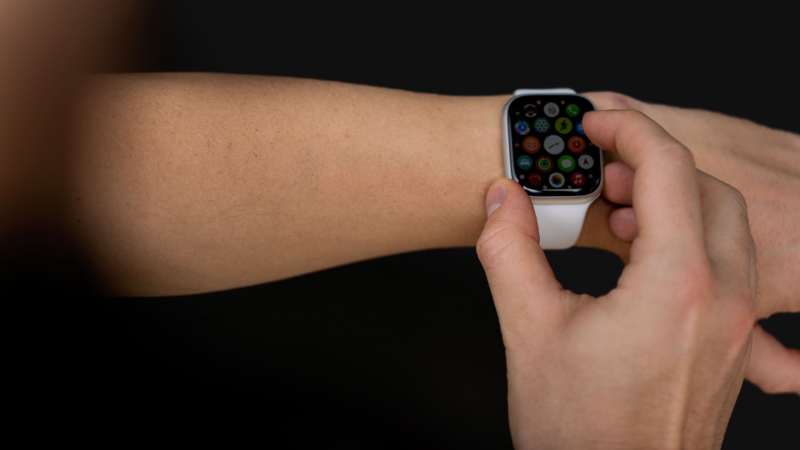
Wearable technology has become an important part of modern life. From smartwatches and fitness trackers to wireless earbuds and smart rings, wearable devices are changing the way people communicate, monitor their health, and manage daily activities. As technology continues to improve, consumers are looking for better features, longer battery life, improved designs, and more useful functions in their everyday devices.
The idea of a wearable upgrade feedworldtech reflects the growing interest in advancements within wearable technology. Modern wearable devices are no longer limited to telling time or counting steps. They can now connect with smartphones, track physical activity, provide notifications, monitor sleep patterns, and support various aspects of daily life.
This article explains the development of wearable technology, the latest improvements in smart devices, their benefits, challenges, and what users can expect from future wearable upgrades.
What Is Wearable Technology?
Wearable technology refers to electronic devices designed to be worn on the body. These devices usually contain sensors, processors, wireless connectivity, and software that allow them to collect and share information.
Common examples of wearable technology include:
- Smartwatches
- Fitness trackers
- Smart rings
- Wireless earbuds
- Smart glasses
- Health monitoring devices
- Fitness and sports equipment with sensors
Unlike traditional electronic devices, wearables are designed to remain close to the user throughout the day. This makes them useful for collecting real-time information and providing quick access to digital services.
The popularity of wearable technology has increased because people want convenient tools that fit naturally into their lifestyles.
The Evolution of Wearable Devices
Wearable technology has existed in different forms for many years. Early examples included digital watches and simple electronic calculators worn on the wrist. However, modern wearable devices became more popular with the introduction of smartphones and wireless communication.
The development of smartwatches marked a major turning point in the industry. These devices combined traditional watch functions with digital features such as notifications, music controls, fitness tracking, and internet connectivity.
Fitness trackers also played an important role in making wearable technology popular. They allowed users to monitor steps, calories burned, heart rate, and exercise routines.
Today, wearable devices are becoming smaller, smarter, and more powerful. Improvements in artificial intelligence, sensors, battery technology, and software are helping manufacturers create devices that offer more functions than ever before.
Why Are Wearable Upgrades Important?
Technology changes quickly, and wearable devices are no exception. A wearable upgrade can improve the overall experience by adding new features, improving performance, and making devices easier to use.
For example, newer smartwatches often include brighter displays, faster processors, improved health sensors, and better water resistance. These improvements make devices more useful for everyday activities.
The concept of wearable upgrade feedworldtech highlights how technology enthusiasts continue to follow new developments in the wearable industry. Users are interested in understanding how new devices differ from previous models and whether upgrading is worth the investment.
Some important reasons for upgrading wearable devices include:
Improved Performance
Newer processors allow wearable devices to operate faster and more efficiently. Applications open quickly, notifications appear smoothly, and users can access features without unnecessary delays.
Better Battery Life
Battery technology continues to improve. Modern wearables are designed to last longer between charges, making them more convenient for people who use them throughout the day.
Advanced Health and Fitness Features
Many newer devices include improved sensors for tracking heart rate, sleep, exercise, stress levels, and other health-related information.
Updated Software
Software updates can introduce new applications, improved security, and better compatibility with smartphones and other devices.
Smartwatches: The Most Popular Wearable Devices
Smartwatches are among the most widely used wearable devices in the world. They combine the functions of a traditional watch with features commonly found on smartphones.
A modern smartwatch can help users:
- Check incoming messages
- Answer calls
- Monitor physical activity
- Track workouts
- Control music
- Set reminders
- Monitor sleep
- Receive navigation instructions
The biggest advantage of smartwatches is convenience. Users do not need to constantly take their phones out of their pockets to check notifications or access basic information.
As manufacturers continue introducing upgrades, smartwatches are becoming more independent from smartphones. Some models include cellular connectivity, allowing users to make calls and access internet services without a direct phone connection.
Fitness Trackers and Health Monitoring
Fitness trackers are another important category of wearable technology. These devices are designed primarily for physical activity and health monitoring.
A typical fitness tracker can measure:
- Daily steps
- Distance traveled
- Calories burned
- Heart rate
- Sleep duration
- Exercise intensity
Many people use fitness trackers to develop healthier habits. By reviewing daily activity levels, users can set goals and become more aware of their lifestyle choices.
However, it is important to understand that wearable health data should not always be treated as professional medical advice. Sensors provide estimates, and accuracy may vary depending on the device and activity.
Despite these limitations, fitness trackers can be useful tools for general awareness and personal fitness management.
The Role of Artificial Intelligence in Wearables
Artificial intelligence is becoming increasingly important in wearable technology. AI allows devices to analyze information and provide more personalized experiences.
For example, artificial intelligence can help wearables recognize exercise patterns, predict user preferences, and provide customized recommendations.
In the future, AI-powered wearables may become better at understanding daily routines and adapting automatically to individual needs.
The combination of artificial intelligence and wearable devices may lead to smarter personal assistants that can monitor activity, organize schedules, and provide useful information throughout the day.
This development is one reason why discussions about wearable upgrade feedworldtech continue to attract attention among technology users interested in the future of smart devices.
Smart Rings and Smaller Wearable Technology
While smartwatches remain popular, smart rings are gaining attention as an alternative wearable device. Smart rings are small, lightweight, and designed to provide health and activity tracking without requiring a large screen.
Some smart rings can monitor:
- Sleep patterns
- Heart rate
- Daily movement
- Recovery levels
- General wellness information
The main advantage of smart rings is their discreet design. They can be worn comfortably without the appearance of a traditional electronic device.
As sensor technology improves, smaller wearable devices may become increasingly capable. This could lead to a future where people use multiple connected wearables for different purposes.
Improvements in Design and Comfort
Technology is not the only area receiving upgrades. Design and comfort are also important factors in wearable development.
Consumers want devices that are lightweight, attractive, durable, and comfortable enough to wear for long periods.
Modern wearable manufacturers are focusing on:
- Slimmer designs
- Lightweight materials
- Better straps and bands
- Water and dust resistance
- More durable screens
- Improved customization options
A comfortable device is more likely to be used consistently. This is especially important for fitness trackers and health-monitoring wearables that users may wear day and night.
Connectivity and Integration With Other Devices
One of the most important features of modern wearable technology is connectivity. Wearables can communicate with smartphones, tablets, computers, and other smart devices.
Bluetooth and Wi-Fi allow wearables to share information quickly. Some devices also support cellular networks, GPS, and other wireless technologies.
This connected ecosystem makes everyday tasks easier. For example, a smartwatch can synchronize health data with a smartphone application, while wireless earbuds can automatically connect to a phone or computer.
Future wearable upgrades are likely to focus on improving compatibility between different devices and operating systems.
Privacy and Security Concerns
Although wearable technology offers many benefits, it also raises concerns about privacy and data security.
Wearables collect personal information such as location data, activity levels, sleep patterns, and sometimes health-related measurements. Users should understand how their data is stored, shared, and protected.
Important security practices include:
- Using strong passwords
- Keeping software updated
- Reviewing application permissions
- Choosing trusted manufacturers
- Avoiding unnecessary data sharing
Companies developing wearable devices must also focus on responsible data protection. As wearables become more advanced, privacy will remain an important issue for consumers.
How to Choose the Right Wearable Device
Choosing a wearable device depends on individual needs and preferences. Not everyone requires the same features.
Before purchasing or upgrading a wearable, consider the following factors:
Purpose
Decide whether the device is mainly for fitness, communication, health tracking, or general convenience.
Compatibility
Make sure the wearable works properly with your smartphone or other devices.
Battery Life
Consider how often you are willing to charge the device.
Comfort
A wearable should be comfortable enough for regular use.
Features
Compare the available features and determine which ones are genuinely useful for your lifestyle.
Price
Newer models often include advanced features but may cost more. It is important to compare benefits with budget requirements.
The Future of Wearable Technology
The future of wearable technology looks promising. As technology continues to develop, devices are expected to become more intelligent, smaller, and better integrated into daily life.
Future advancements may include:
- More accurate health sensors
- Longer battery life
- Improved artificial intelligence
- Flexible and wearable displays
- Better voice assistants
- Advanced fitness tracking
- More secure personal data systems
Researchers and manufacturers are also exploring new materials and designs that could make wearable devices more comfortable and environmentally friendly.
The next generation of wearables may not look dramatically different from current devices, but their internal capabilities could improve significantly.
Should You Upgrade Your Wearable Device?
Whether upgrading is necessary depends on the user’s current device and personal requirements.
If an existing smartwatch or fitness tracker still performs well, there may be no immediate need to replace it. However, upgrading can be beneficial when a new model offers meaningful improvements in battery life, sensors, software, or performance.
Users should avoid upgrading simply because a new product has been released. Instead, they should consider whether the new features provide real value.
Following topics such as wearable upgrade feedworldtech can help technology enthusiasts stay informed about developments and understand how wearable devices are changing over time.
Conclusion
Wearable technology has transformed the way people interact with digital devices. Smartwatches, fitness trackers, smart rings, and other connected devices have become useful tools for communication, fitness, entertainment, and personal organization.
As manufacturers continue to improve hardware and software, wearable devices are becoming more powerful and convenient. Advances in artificial intelligence, sensors, battery technology, and connectivity will likely shape the next generation of smart wearables.
The idea of wearable upgrade feedworldtech represents the ongoing interest in wearable innovation and the improvements that make modern technology more useful in everyday life.
For consumers, the most important thing is to choose devices based on genuine needs rather than trends. With thoughtful upgrades and responsible use, wearable technology can continue to provide practical benefits while becoming an increasingly important part of modern digital lifestyles.